


| Category | Cervical Cancer Vaccine |
Cervical cancer is one of the most common cancers affecting women, yet it is also one of the most preventable. Advances in medical science have made it possible to significantly reduce the risk of cervical cancer through timely vaccination and regular health screening. The Cervical Cancer Vaccine is a powerful preventive tool that protects against certain types of Human Papillomavirus (HPV), the primary cause of most cervical cancer cases worldwide.
Dr. Priyanka Jain offers Cervical Cancer Vaccination in Ghaziabad, helping girls, adolescents, young women, and eligible adults protect themselves against HPV-related diseases. Vaccination, combined with routine gynecological care, plays a crucial role in reducing the burden of cervical cancer and improving long-term women's health.
Many women are unaware that cervical cancer often develops slowly over several years and may not produce noticeable symptoms during its early stages. By the time symptoms appear, significant cellular changes may have already occurred. This is why prevention through vaccination is considered one of the most effective strategies for protecting future health.
Investing in preventive healthcare today can help reduce the risk of serious disease tomorrow, making cervical cancer vaccination an important part of modern women's healthcare.
Cervical cancer develops in the cells of the cervix, the lower portion of the uterus that connects to the vagina.
Most cervical cancer cases are caused by persistent infection with certain high-risk strains of Human Papillomavirus (HPV). HPV is a very common virus that spreads through intimate skin-to-skin contact.
Although many HPV infections resolve naturally without causing harm, some infections persist and lead to abnormal cellular changes. Over time, these changes may progress into precancerous lesions and eventually cervical cancer if left untreated.
Because HPV infection is often silent and symptom-free, many women are unaware that they have been exposed. This highlights the importance of preventive vaccination and regular cervical cancer screening.
Early cervical cancer often produces no symptoms, which is why preventive care is so important.
As the condition progresses, symptoms may include abnormal vaginal bleeding, bleeding between periods, bleeding after intercourse, postmenopausal bleeding, unusual vaginal discharge, pelvic pain, and discomfort during sexual activity.
Advanced disease may cause additional symptoms such as fatigue, weight loss, lower back pain, or urinary difficulties.
It is important to understand that the purpose of the cervical cancer vaccine is prevention. Vaccination is most effective before HPV infection occurs and before abnormal cervical changes develop.
Women should not wait for symptoms before taking preventive measures to protect their health.
Persistent infection with high-risk HPV strains is the leading cause of cervical cancer.
However, certain factors may increase the likelihood of developing HPV-related cervical abnormalities.
These include early sexual activity, multiple sexual partners, smoking, a weakened immune system, long-term HPV infection, poor access to regular cervical screening, and a history of sexually transmitted infections.
Women who do not undergo routine Pap smear testing may remain unaware of abnormal cervical changes until the disease becomes more advanced.
Fortunately, preventive strategies such as HPV vaccination and regular screening can significantly reduce these risks.
The Cervical Cancer Vaccine is designed to protect against specific HPV strains responsible for the majority of cervical cancer cases.
The vaccine stimulates the body's immune system to produce protective antibodies. If exposure to HPV occurs later, the immune system is better prepared to prevent infection from becoming established.
Modern cervical cancer vaccines provide protection against multiple high-risk HPV types associated with cervical cancer. Many vaccines also protect against HPV strains that cause genital warts.
The vaccine is preventive rather than curative. It does not treat existing HPV infections or cervical cancer but helps prevent future infections and related complications.
For this reason, vaccination is ideally administered before exposure to HPV.
The cervical cancer vaccine is recommended for girls and adolescents before exposure to HPV.
Vaccination is often most effective when given between 9 and 14 years of age because the immune response tends to be strongest during this period.
However, older adolescents, young adults, and many adult women who have not previously been vaccinated may also benefit from receiving the vaccine.
Even women who are sexually active can discuss vaccination with Dr. Priyanka Jain to determine whether vaccination remains beneficial based on their individual circumstances.
Recommendations may vary depending on age, vaccination history, and overall health.
Before administering the cervical cancer vaccine, Dr. Priyanka Jain conducts a thorough consultation.
This consultation includes reviewing medical history, vaccination records, allergies, current medications, and any existing health conditions.
For younger individuals, vaccination can usually proceed without extensive testing.
For adult women, preventive healthcare discussions may also include Pap smear testing, HPV screening, and routine gynecological evaluations to support comprehensive cervical health.
The consultation allows patients and parents to ask questions and understand the benefits, limitations, and expectations associated with vaccination.
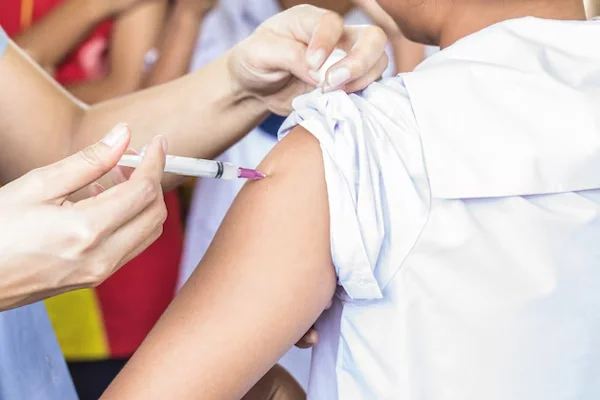
The cervical cancer vaccine is administered through an injection, usually in the upper arm.
The process is simple, quick, and performed in an outpatient setting.
Depending on age and vaccination guidelines, the vaccine may require two or three doses administered over a specified schedule.
Most individuals tolerate the vaccine very well, and the appointment typically takes only a short time.
After receiving the vaccine, patients can usually resume normal activities immediately.
The vaccination schedule and follow-up recommendations are explained clearly to ensure optimal protection.
One of the most significant benefits of vaccination is the substantial reduction in cervical cancer risk.
By protecting against high-risk HPV strains, the vaccine helps prevent many cases of cervical cancer before they develop.
Vaccination can also reduce the risk of precancerous cervical lesions that may otherwise require monitoring, biopsies, or treatment procedures.
Additional protection against genital warts and other HPV-related diseases further enhances the value of vaccination.
For parents, vaccination provides reassurance that their children are receiving protection against a potentially serious disease.
From a public health perspective, widespread vaccination contributes to reducing HPV transmission and lowering cervical cancer rates within the community.
The cervical cancer vaccine has undergone extensive scientific research and ongoing safety monitoring around the world.
Millions of doses have been administered globally, and leading healthcare organizations continue to recommend vaccination as a safe and effective preventive measure.
Most side effects are mild and temporary.
Common reactions may include soreness, redness, swelling at the injection site, mild fever, headache, fatigue, or temporary muscle aches.
Serious complications are extremely uncommon.
The benefits of preventing cervical cancer and other HPV-related diseases significantly outweigh the small risk of temporary side effects.
Recovery after receiving the cervical cancer vaccine is generally simple and uncomplicated.
Most individuals experience no significant interruption to daily activities.
Mild arm soreness may occur for one or two days after the injection. Some individuals may experience temporary fatigue or a mild fever.
Drinking adequate fluids, resting if needed, and following routine post-vaccination advice can help support comfort during recovery.
There are typically no major activity restrictions after vaccination.
Although the cervical cancer vaccine provides excellent protection, it should not replace routine cervical cancer screening.
Regular Pap smear testing and gynecological examinations remain important because no vaccine protects against every possible cause of cervical cancer.
The combination of vaccination and screening provides the strongest defense against cervical disease.
Women who receive the vaccine should continue following recommended cervical screening guidelines throughout adulthood.
Preventive healthcare works best when vaccination and screening are used together as part of a comprehensive women's health strategy.
Dr. Priyanka Jain is dedicated to promoting preventive women's healthcare through education, vaccination, early detection, and personalized medical guidance.
She believes that empowering women with accurate information is essential for making informed healthcare decisions.
Her patient-centered approach ensures that individuals receive individualized recommendations, evidence-based care, and compassionate support throughout the vaccination process.
Women and families seeking cervical cancer vaccination in Ghaziabad benefit from professional consultation, preventive healthcare expertise, and ongoing support designed to protect long-term health and well-being.
The cervical cancer vaccine protects against certain high-risk HPV strains that can cause cervical cancer and other HPV-related diseases.
The vaccine is most commonly recommended between 9 and 14 years of age, although older adolescents and adults may also benefit.
Yes. Many adults who have not previously been vaccinated may still be eligible and can discuss options with Dr. Priyanka Jain.
Yes. The vaccine has been extensively studied and is considered safe and effective by major health organizations worldwide.
No. The vaccine helps prevent future HPV infections but does not treat existing infections or cervical cancer.
Most side effects are mild and temporary, including soreness at the injection site, headache, or low-grade fever.
Yes. Regular cervical cancer screening remains important even after vaccination.
Dr. Priyanka Jain provides Cervical Cancer Vaccination in Ghaziabad, offering preventive women's healthcare, HPV protection, and personalized medical guidance.