


| Category | Menopausal Clinic |
Menopause is a natural stage in a woman's life that marks the end of her reproductive years. While it is a normal biological transition, menopause can bring significant physical, emotional, and hormonal changes that affect daily life, relationships, sleep quality, and overall well-being. Every woman experiences menopause differently. Some women pass through this phase with minimal symptoms, while others face challenges that require medical guidance and support.
At the Menopausal Clinic in Ghaziabad, Dr. Priyanka Jain provides specialized care for women experiencing menopause and perimenopause symptoms. Her goal is to help women manage symptoms effectively, maintain their health, and enjoy a better quality of life during this important stage of life.
Many women believe they simply have to "live with" menopausal symptoms. However, modern medical treatments and lifestyle interventions can significantly improve comfort, emotional well-being, and long-term health. With the right support, menopause can be a healthy and empowering transition rather than a difficult experience.
Menopause occurs when a woman permanently stops menstruating due to the natural decline in ovarian function and estrogen production. A woman is considered menopausal when she has not had a menstrual period for 12 consecutive months.
The transition toward menopause usually begins several years earlier, known as perimenopause. During this phase, hormone levels fluctuate, causing irregular menstrual cycles and various physical and emotional symptoms.
The average age of menopause varies among women but commonly occurs between 45 and 55 years of age. Some women may experience early menopause due to genetics, medical conditions, surgery, or certain treatments.
Understanding menopause helps women recognize that many of the changes they experience are related to hormonal transitions and can often be managed effectively.
Menopause affects multiple body systems because estrogen influences numerous physiological functions.
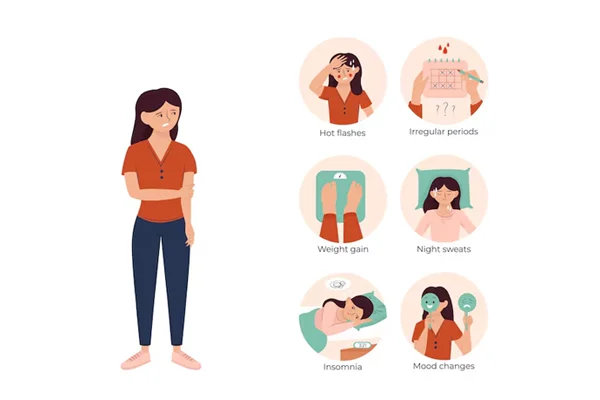
One of the most common symptoms is hot flashes, characterized by sudden feelings of warmth that may spread through the face, neck, and upper body. These episodes can occur during the day or night and may be accompanied by sweating and flushing.
Many women also experience night sweats, which can disrupt sleep and lead to fatigue.
Irregular menstrual periods are often one of the earliest signs of approaching menopause. Periods may become lighter, heavier, shorter, or more unpredictable before eventually stopping.
Other common symptoms include mood swings, irritability, anxiety, depression, memory difficulties, reduced concentration, vaginal dryness, discomfort during intimacy, decreased libido, fatigue, headaches, joint pain, and weight gain.
Some women also notice changes in skin elasticity, hair texture, and urinary health.
Because symptoms vary greatly, individualized care is essential for effective management.
The primary cause of menopause is the natural decline in ovarian hormone production.
As women age, the ovaries gradually produce lower levels of estrogen and progesterone. Eventually, ovulation stops and menstrual periods cease permanently.
In addition to natural menopause, some women experience premature or early menopause due to certain medical conditions, autoimmune disorders, genetic factors, chemotherapy, radiation therapy, or surgical removal of the ovaries.
Regardless of the cause, hormonal changes are responsible for the majority of menopausal symptoms and associated health concerns.
Menopause affects more than reproductive health. Reduced estrogen levels can influence various aspects of long-term health.
One major concern is osteoporosis. Estrogen helps maintain bone density, and declining levels can increase the risk of bone loss and fractures.
Cardiovascular health may also be affected. After menopause, women face an increased risk of heart disease due to changes in cholesterol levels and blood vessel function.
Vaginal and urinary health changes can lead to dryness, irritation, recurrent urinary infections, and urinary incontinence.
Some women experience sleep disturbances, chronic fatigue, and emotional challenges that impact their quality of life.
Regular monitoring and preventive care can help reduce these risks and support healthy aging.
The first step in menopause management is a comprehensive evaluation.
Dr. Priyanka Jain conducts a detailed assessment that includes medical history, menstrual history, symptom evaluation, family history, and lifestyle factors.
Blood tests may be recommended in certain situations to assess hormone levels, thyroid function, bone health, cholesterol levels, and overall wellness.
Women experiencing irregular periods, heavy bleeding, or unusual symptoms may require additional investigations to rule out other gynecological conditions.
A thorough assessment ensures accurate diagnosis and helps develop a personalized treatment plan based on individual needs and health goals.
Healthy lifestyle habits form the foundation of menopause management.
Regular physical activity can improve mood, support bone health, reduce weight gain, and enhance cardiovascular fitness.
A balanced diet rich in calcium, vitamin D, fruits, vegetables, and protein helps maintain overall health and reduce osteoporosis risk.
Stress management techniques such as yoga, meditation, and relaxation exercises may help improve emotional well-being and sleep quality.
Hormone therapy may be recommended for women experiencing moderate to severe menopausal symptoms.
By replacing declining hormone levels, hormone therapy can help relieve hot flashes, night sweats, vaginal dryness, and sleep disturbances.
Treatment plans are individualized based on medical history, age, symptoms, and risk factors.
Some women may prefer or require non-hormonal treatment options.
These may include medications, vaginal moisturizers, lubricants, dietary modifications, and lifestyle interventions aimed at symptom relief.
Non-hormonal approaches can be particularly helpful for women who cannot use hormone therapy due to certain medical conditions.
Vaginal dryness and discomfort are common menopausal concerns.
Specialized treatments, including vaginal moisturizers, localized therapies, and advanced vaginal rejuvenation options, may help restore comfort and improve quality of life.
Menopause can affect emotional health just as significantly as physical health.
Hormonal fluctuations may contribute to mood changes, anxiety, irritability, and emotional sensitivity. At the same time, many women face additional life transitions involving career changes, family responsibilities, or aging parents.
Recognizing these emotional challenges is important.
Dr. Priyanka Jain provides compassionate support and guidance to help women navigate both the physical and emotional aspects of menopause. Open communication, counseling, and individualized care can make a significant difference during this transition.
A specialized menopausal clinic offers comprehensive care tailored specifically to the needs of women during midlife and beyond.
Women benefit from expert evaluation, symptom management, preventive health screenings, bone health monitoring, cardiovascular risk assessment, and personalized treatment strategies.
Rather than focusing solely on symptom relief, menopause care emphasizes long-term wellness, healthy aging, and disease prevention.
Regular follow-up appointments allow treatment plans to be adjusted as needs change over time.
Menopause is not an illness that requires recovery, but symptom improvement often occurs gradually with appropriate treatment.
Many women notice significant relief from hot flashes, sleep disturbances, and mood changes after implementing treatment recommendations.
Long-term management focuses on maintaining bone strength, cardiovascular health, emotional well-being, and overall quality of life.
Routine health screenings, healthy lifestyle habits, and ongoing medical support help women remain active and healthy throughout the postmenopausal years.
Dr. Priyanka Jain understands that menopause is a deeply personal experience that affects every woman differently. She provides compassionate, patient-centered care designed to address individual symptoms, concerns, and health goals.
Her comprehensive approach combines medical expertise, preventive care, lifestyle counseling, and evidence-based treatment options to help women navigate menopause confidently.
Women seeking menopause treatment in Ghaziabad benefit from personalized attention, advanced diagnostic evaluation, and ongoing support throughout their menopausal journey.
Whether you are experiencing early symptoms of perimenopause or looking for long-term postmenopausal care, Dr. Priyanka Jain is committed to helping you achieve better health and well-being.
Menopause is the permanent end of menstrual periods due to the natural decline in ovarian hormone production.
Most women experience menopause between 45 and 55 years of age, although the timing varies.
Common symptoms include hot flashes, night sweats, irregular periods, mood changes, vaginal dryness, sleep disturbances, and fatigue.
Yes. Hormonal changes during menopause may contribute to anxiety, mood swings, irritability, and emotional sensitivity.
Yes. Lifestyle changes, hormone therapy, non-hormonal treatments, and specialized menopause care can help manage symptoms effectively.
Yes. Reduced estrogen levels can lead to bone loss, increasing the risk of osteoporosis and fractures.
No. Treatment is individualized based on symptoms, health history, and personal preferences.
Dr. Priyanka Jain offers comprehensive menopause care and specialized menopausal clinic services in Ghaziabad, helping women manage symptoms and maintain long-term health.