


| Category | HPV Vaccination for Cervical Cancer Prevention |
Cervical cancer is one of the most common cancers affecting women worldwide. The encouraging news is that it is also one of the most preventable forms of cancer. Advances in medical science have made it possible to significantly reduce the risk of cervical cancer through vaccination against the Human Papillomavirus (HPV), the primary cause of most cervical cancer cases.
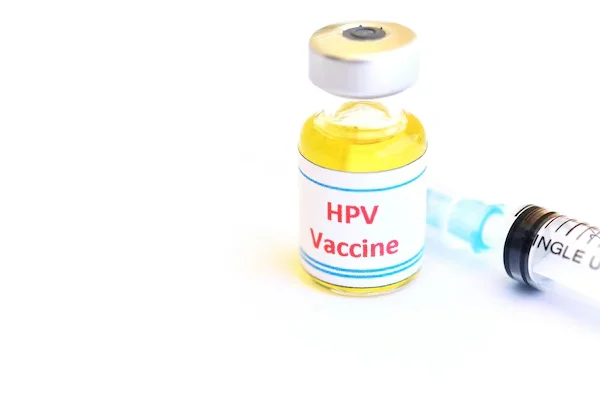
Dr. Priyanka Jain provides HPV vaccination for cervical cancer prevention in Ghaziabad, helping girls, adolescents, and women protect themselves against HPV-related diseases. The HPV vaccine is a safe and effective preventive measure that can dramatically reduce the risk of cervical cancer, genital warts, and several other HPV-associated conditions.
Many people mistakenly believe that vaccination is only necessary after symptoms appear. However, the HPV vaccine is designed to prevent infection before exposure occurs. This makes early vaccination one of the most powerful tools available for safeguarding long-term reproductive health.
By combining HPV vaccination with regular cervical cancer screening, women can take proactive steps toward protecting themselves from a disease that affects thousands of women every year.
Human Papillomavirus, commonly known as HPV, is one of the most widespread viral infections transmitted through skin-to-skin intimate contact. There are more than 100 different types of HPV, but certain high-risk strains are responsible for the majority of cervical cancer cases.
Most HPV infections do not cause symptoms and may disappear naturally. However, persistent infection with high-risk HPV strains can lead to abnormal cellular changes in the cervix. Over several years, these changes may progress into precancerous lesions and eventually cervical cancer if left untreated.
HPV can also contribute to cancers of the vulva, vagina, anus, throat, and other areas. Certain low-risk HPV types may cause genital warts.
Because HPV infections often remain silent, many individuals are unaware that they have been exposed. This is why preventive vaccination plays such a critical role in reducing future cancer risk.
One of the challenges associated with HPV is that it frequently produces no symptoms at all.
Many women with HPV infection feel completely healthy and may remain unaware of the infection for years. This is particularly true for high-risk HPV strains that can eventually lead to cervical cancer.
When symptoms do occur, they may include genital warts, abnormal vaginal bleeding, bleeding after intercourse, unusual vaginal discharge, pelvic pain, or discomfort during sexual activity.
However, these symptoms often appear only after significant cellular changes have already occurred. This is why relying solely on symptoms is not sufficient. Prevention through vaccination and regular cervical cancer screening remains essential.
HPV infection is extremely common, and most sexually active individuals encounter the virus at some point in their lives.
Several factors may increase the likelihood of acquiring HPV infection. These include early sexual activity, multiple sexual partners, unprotected sexual contact, smoking, weakened immunity, and a history of sexually transmitted infections.
Women with persistent HPV infection face a greater risk of developing cervical abnormalities and cervical cancer.
While HPV infection cannot always be avoided completely, vaccination provides powerful protection against the most dangerous HPV strains responsible for the majority of cervical cancer cases.
The HPV vaccine is a preventive vaccine designed to protect against specific strains of Human Papillomavirus known to cause cervical cancer and other HPV-related diseases.
The vaccine works by stimulating the body's immune system to produce antibodies against HPV. If a vaccinated individual is exposed to the virus later in life, the immune system can recognize and neutralize it before infection becomes established.
Modern HPV vaccines provide protection against multiple high-risk HPV types and, in many cases, also protect against strains that cause genital warts.
The vaccine does not treat existing HPV infections or cervical cancer. Instead, it helps prevent future infections and significantly reduces long-term cancer risk.
HPV vaccination is recommended for girls and boys before exposure to the virus, typically during adolescence.
The ideal age for vaccination is generally between 9 and 14 years because the immune response is strongest during this period. However, older adolescents, young adults, and many adults who have not previously been vaccinated may still benefit from receiving the vaccine.
Women who are already sexually active can also discuss vaccination with Dr. Priyanka Jain. Although prior exposure to HPV may reduce some benefits, vaccination can still provide protection against HPV strains that have not yet been encountered.
Individual recommendations depend on age, vaccination history, and overall health status.
Before administering the HPV vaccine, Dr. Priyanka Jain conducts a detailed consultation to understand the patient's medical history, vaccination history, and overall health.
For younger adolescents, vaccination can usually proceed without extensive testing.
For adult women, cervical cancer screening through Pap smear testing and HPV testing may be recommended as part of comprehensive preventive healthcare.
The consultation also provides an opportunity to discuss vaccine benefits, expected outcomes, safety considerations, and any questions or concerns the patient may have.
This personalized approach helps ensure informed decision-making and optimal protection.
The HPV vaccine is administered through an injection, typically into the upper arm.
The number of doses required depends on the individual's age at the time vaccination begins.
Younger adolescents often require a two-dose schedule, while older adolescents and adults may require three doses administered over several months.
The vaccination process itself is quick and straightforward. Most patients experience only mild discomfort at the injection site.
The entire appointment usually takes only a short time, allowing patients to resume their normal activities immediately afterward.
One of the greatest benefits of HPV vaccination is its ability to significantly reduce the risk of cervical cancer.
Vaccination also helps prevent precancerous cervical lesions that may otherwise require monitoring, biopsies, or surgical treatment.
The vaccine offers protection against multiple high-risk HPV strains responsible for the majority of cervical cancer cases worldwide.
Additional benefits include protection against genital warts and several other HPV-related cancers.
Vaccination contributes not only to individual health but also to public health by reducing the overall spread of HPV infection within communities.
For parents, HPV vaccination provides peace of mind by helping protect their children from future HPV-related diseases.
The HPV vaccine has undergone extensive scientific research and safety monitoring across the world.
Millions of doses have been administered globally, and major health organizations continue to recommend HPV vaccination as a safe and effective preventive measure.
Most side effects are mild and temporary. Common reactions include soreness at the injection site, mild swelling, redness, fatigue, headache, or low-grade fever.
Serious complications are extremely rare. The benefits of preventing cervical cancer and other HPV-related diseases greatly outweigh the small risk of temporary side effects.
Dr. Priyanka Jain carefully evaluates each patient before vaccination to ensure that it is appropriate and safe.
Recovery after HPV vaccination is generally very simple.
Most individuals can return to school, work, or daily activities immediately after receiving the vaccine.
Mild arm soreness may occur for a day or two. Some people may experience temporary fatigue or mild fever, which usually resolves without treatment.
Drinking adequate fluids, resting if needed, and following routine post-vaccination advice can help ensure a comfortable recovery experience.
There are typically no significant activity restrictions after vaccination.
Although HPV vaccination provides excellent protection, it does not eliminate the need for regular cervical cancer screening.
Not all cervical cancers are caused by the HPV strains covered by the vaccine. Therefore, routine Pap smear testing and gynecological examinations remain important components of preventive healthcare.
Women who receive the HPV vaccine should continue to follow recommended screening guidelines throughout adulthood.
The combination of vaccination and screening offers the strongest defense against cervical cancer.
Dr. Priyanka Jain is committed to promoting preventive women's healthcare through education, vaccination, and early detection strategies.
She provides personalized guidance regarding HPV vaccination, helping patients and parents understand its importance, benefits, and long-term impact on health.
Her patient-focused approach ensures that individuals receive accurate information, evidence-based recommendations, and compassionate care throughout the vaccination process.
Whether you are seeking HPV vaccination for yourself, your daughter, or another family member, Dr. Priyanka Jain offers trusted preventive healthcare services in Ghaziabad designed to support lifelong wellness.
The HPV vaccine helps protect against Human Papillomavirus infections that can cause cervical cancer, genital warts, and other HPV-related diseases.
The ideal age is generally between 9 and 14 years, although older adolescents and adults may also benefit from vaccination.
Yes. Many adults who have not previously been vaccinated can still receive protection through HPV vaccination.
Yes. The HPV vaccine has been extensively studied and is considered safe and effective by major health organizations worldwide.
No. The vaccine prevents future HPV infections but does not treat existing infections or cervical cancer.
Most side effects are mild and temporary, including arm soreness, fatigue, headache, or low-grade fever.
Yes. Regular cervical cancer screening remains important even after vaccination.
Dr. Priyanka Jain provides HPV vaccination for cervical cancer prevention in Ghaziabad, offering expert guidance, preventive care, and comprehensive women's health services.