


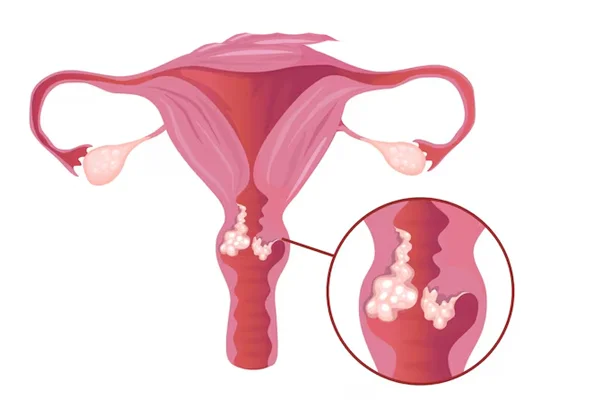
| Category | Biopsy Endometrial or Cervical |
Women's reproductive health requires timely evaluation and accurate diagnosis when symptoms such as abnormal bleeding, unusual discharge, pelvic pain, or suspicious cervical changes occur. One of the most reliable diagnostic procedures used in gynecology is a biopsy. An endometrial biopsy or cervical biopsy helps doctors identify the underlying cause of symptoms and detect conditions ranging from infections and hormonal changes to precancerous and cancerous abnormalities.
Dr. Priyanka Jain provides expert endometrial biopsy and cervical biopsy services in Ghaziabad, ensuring women receive precise diagnosis and appropriate treatment recommendations. These minimally invasive procedures allow tissue samples to be examined under a microscope, helping detect abnormalities at an early stage when treatment is most effective.
Many women feel anxious when a biopsy is recommended. However, understanding the purpose and benefits of the procedure can help reduce concerns. A biopsy is often the key to obtaining a clear diagnosis and creating an effective treatment plan that protects long-term reproductive and overall health.
Certain symptoms should never be ignored, especially when they persist or worsen over time. A biopsy may be recommended when a woman experiences abnormal uterine bleeding, heavy menstrual periods, bleeding between periods, postmenopausal bleeding, persistent pelvic pain, or unexplained infertility.
Women may also require a cervical biopsy if a Pap smear shows abnormal cells, HPV infection is detected, unusual cervical growths are seen during examination, or persistent vaginal discharge occurs.
Other symptoms that may indicate the need for further investigation include pain during intercourse, recurrent vaginal infections, unexplained spotting after sexual activity, or changes in menstrual patterns.
Dr. Priyanka Jain carefully evaluates symptoms and medical history before determining whether a cervical biopsy or endometrial biopsy is necessary.
A biopsy is typically performed when doctors need a more detailed evaluation of tissue changes.
An endometrial biopsy may be recommended to investigate abnormal uterine bleeding, endometrial hyperplasia, hormonal imbalances, uterine lining abnormalities, infertility concerns, or suspected endometrial cancer.
A cervical biopsy may be required when abnormal cervical cells are detected through Pap testing. Human Papillomavirus (HPV) infection, cervical dysplasia, cervical polyps, chronic inflammation, and suspected cervical cancer are common reasons for cervical tissue sampling.
Women with a family history of gynecological cancers, obesity, diabetes, polycystic ovary syndrome (PCOS), prolonged estrogen exposure, or previous abnormal screening results may have a higher risk of developing conditions that require biopsy evaluation.
Early diagnosis significantly improves treatment outcomes, making timely investigation extremely important.
An endometrial biopsy is a diagnostic procedure used to collect a small sample of tissue from the lining of the uterus, known as the endometrium.
The procedure is commonly performed in an outpatient setting and usually takes only a few minutes. A thin instrument is inserted through the cervix into the uterus to obtain a tissue sample. The sample is then sent to a pathology laboratory for detailed examination.
An endometrial biopsy helps diagnose abnormal uterine bleeding, evaluate hormonal responses, detect precancerous changes, identify infections, and rule out uterine cancer.
For women struggling with infertility, the procedure may also provide valuable information about the condition of the uterine lining and its ability to support implantation.
A cervical biopsy involves removing a small sample of tissue from the cervix for microscopic examination.
This procedure is commonly recommended after abnormal Pap smear results or positive HPV testing. During the procedure, Dr. Priyanka Jain carefully removes a tiny section of abnormal tissue from the cervix.
There are different types of cervical biopsy procedures depending on the area and extent of abnormality. These may include punch biopsy, cone biopsy, or colposcopy-guided biopsy.
The collected tissue helps identify infections, inflammation, precancerous lesions, and cervical cancer. Early detection through cervical biopsy plays a vital role in preventing cervical cancer progression.
Before recommending a biopsy, Dr. Priyanka Jain conducts a thorough evaluation of the patient's symptoms, medical history, menstrual history, and previous screening results.
For women experiencing abnormal uterine bleeding, ultrasound imaging may be used to assess the thickness of the uterine lining and identify structural abnormalities.
Pap smear testing, HPV screening, and colposcopy are commonly performed before a cervical biopsy. These tests help identify areas of concern and guide tissue sampling.
Blood tests may also be ordered to evaluate hormonal status, anemia, infection, or other contributing factors.
A comprehensive assessment ensures that the biopsy is both necessary and appropriately targeted.
The endometrial biopsy procedure is generally quick and does not require hospitalization.
The patient is positioned comfortably on an examination table, similar to a routine gynecological examination. A speculum is inserted to visualize the cervix, and a specialized instrument is gently passed into the uterus to obtain a tissue sample.
Some women experience mild cramping during the procedure, similar to menstrual cramps. The discomfort is usually temporary and resolves shortly afterward.
The entire procedure typically takes less than fifteen minutes, and most patients can return to normal activities on the same day.
A cervical biopsy is usually performed during a colposcopy examination.
The cervix is examined using a specialized magnifying instrument that helps identify abnormal areas. A small tissue sample is then removed for laboratory analysis.
Depending on the type of biopsy, local anesthesia may be used to improve comfort. Mild spotting and cramping may occur after the procedure.
Most cervical biopsy procedures are completed within a short period and require minimal recovery time.
The biopsy itself is diagnostic, but the results guide further treatment.
If benign conditions such as inflammation, infection, or hormonal changes are identified, medications and routine follow-up may be sufficient.
When precancerous changes are detected, early intervention can often prevent progression to cancer. Treatments may include cryotherapy, LEEP procedures, laser therapy, or minor surgical interventions.
If cancerous cells are identified, prompt referral and comprehensive treatment planning can begin immediately.
Dr. Priyanka Jain carefully explains biopsy findings and develops a personalized treatment strategy based on each patient's diagnosis and health goals.
One of the greatest benefits of a biopsy is diagnostic accuracy. Rather than relying solely on symptoms or imaging studies, tissue examination provides definitive information about cellular changes.
Biopsies allow early detection of precancerous conditions, enabling treatment before serious disease develops. They also help identify infections, hormonal abnormalities, and structural changes affecting reproductive health.
For women experiencing unexplained symptoms, a biopsy often provides clarity and peace of mind by identifying the underlying cause.
Early diagnosis frequently results in simpler treatments, faster recovery, and better long-term outcomes.
Recovery following a biopsy is generally straightforward.
Most women experience mild cramping, spotting, or light bleeding for a few days after the procedure. Over-the-counter pain relief medications may help manage temporary discomfort.
Patients are usually advised to avoid heavy lifting, tampon use, and sexual intercourse for a short period following the procedure to allow proper healing.
Any severe pain, heavy bleeding, fever, or unusual discharge should be reported immediately.
Dr. Priyanka Jain provides detailed post-procedure instructions and ensures that patients understand what to expect during recovery.
Choosing an experienced gynecologist is essential when undergoing any diagnostic procedure. Dr. Priyanka Jain is committed to providing compassionate, patient-centered care and accurate gynecological diagnosis.
She takes the time to explain the purpose of the biopsy, address patient concerns, and ensure comfort throughout the process. Her focus on early detection and preventive women's healthcare helps patients receive timely treatment and achieve better health outcomes.
Women seeking cervical biopsy in Ghaziabad or endometrial biopsy in Ghaziabad can benefit from expert evaluation, advanced diagnostic techniques, and personalized care.
Most women experience mild cramping similar to menstrual pain. The procedure is generally well tolerated and completed within a few minutes.
A cervical biopsy is often recommended after abnormal Pap smear results, HPV infection detection, or suspicious cervical changes.
Most endometrial and cervical biopsy procedures are completed within 10 to 20 minutes in an outpatient setting.
Yes. Most women can resume normal daily activities on the same day, although some may prefer to rest if mild cramping occurs.
Results are usually available within several days, depending on laboratory processing and pathological evaluation.
Yes. A biopsy is one of the most accurate methods for diagnosing precancerous and cancerous conditions.
Complications are uncommon. Mild bleeding, spotting, and cramping are the most common temporary side effects.
Dr. Priyanka Jain provides expert endometrial biopsy and cervical biopsy services in Ghaziabad, offering accurate diagnosis and personalized women's healthcare.