


| Category | Hysteroscopic Surgeries |
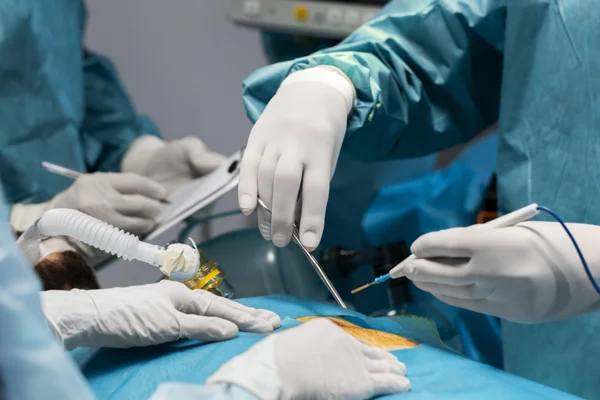
Hysteroscopic surgery is a minimally invasive gynecological procedure used to diagnose and treat problems inside the uterus. Unlike traditional open surgery, hysteroscopy involves using a thin, lighted instrument called a hysteroscope, which is inserted through the vagina and cervix to examine the uterine cavity.
This procedure helps treat a wide range of conditions such as abnormal uterine bleeding, fibroids, polyps, adhesions, and congenital uterine anomalies. With advanced hysteroscopic surgery in Ghaziabad, patients experience faster recovery, minimal pain, and improved reproductive health outcomes.
Dr. Priyanka Jain provides expert hysteroscopic surgeries in Ghaziabad, offering modern, safe, and patient-focused care to women with uterine health concerns.
Hysteroscopic surgery is a procedure performed using a hysteroscope, a thin telescope with a camera and light, allowing doctors to directly view the inside of the uterus.
During the procedure, small instruments can be inserted through the hysteroscope to perform surgical interventions such as:
Removal of uterine polyps
Removal of submucosal fibroids
Cutting or removing adhesions (Asherman’s syndrome)
Correcting septum or congenital anomalies
Hysteroscopic surgery is precise, minimally invasive, and allows quick recovery, making it the preferred choice for many gynecological conditions. Women seeking hysteroscopic surgery in Ghaziabad can benefit from accurate diagnosis and effective treatment.
Hysteroscopic surgery may be recommended for women across different age groups, depending on their condition.
Reproductive-age women – To treat abnormal uterine bleeding, polyps, or infertility-related uterine issues
Women planning pregnancy – To correct uterine septum or adhesions affecting fertility
Perimenopausal women – To remove polyps, fibroids, or abnormal uterine growths
Postmenopausal women – To evaluate and treat abnormal bleeding and rule out malignancy
Timely consultation for hysteroscopic procedures in Ghaziabad ensures optimal outcomes and minimal complications.
Hysteroscopic surgery is performed to address conditions that affect uterine health, menstrual function, and fertility.
Abnormal uterine bleeding not responding to medication
Uterine polyps or fibroids causing pain, heavy bleeding, or infertility
Uterine adhesions (Asherman’s syndrome) affecting fertility or menstrual flow
Congenital uterine anomalies such as septum
Retained products of conception after miscarriage or delivery
With advanced hysteroscopic surgery in Ghaziabad, gynecologists can treat these conditions safely and effectively.
Women may experience certain symptoms indicating the need for hysteroscopic evaluation and surgery:
Heavy or prolonged menstrual bleeding
Irregular or unpredictable periods
Infertility or recurrent pregnancy loss
Pelvic pain or discomfort
Postmenopausal bleeding
Suspected uterine polyps, fibroids, or adhesions
Consulting a specialist for hysteroscopic surgery in Ghaziabad helps identify the exact cause and determine the best treatment.
You should consult a gynecologist if:
You experience unexplained heavy or irregular bleeding
You have difficulty conceiving or recurrent pregnancy loss
You notice pelvic pain or discomfort
You have abnormal growths detected in imaging
You are recommended a diagnostic or operative hysteroscopy
Early consultation ensures timely intervention and improves treatment success with hysteroscopic surgery in Ghaziabad.
Hysteroscopic surgery is minimally invasive and typically performed as an outpatient procedure.
Preoperative Assessment – Ultrasound, blood tests, and medical history review
Anesthesia – Local, regional, or general anesthesia may be used depending on the procedure
Insertion of Hysteroscope – A thin, lighted instrument is inserted through the vagina and cervix
Evaluation and Treatment – Abnormal tissue is visualized and removed using surgical instruments
Completion – Procedure is completed, and patient is monitored for a short period before discharge
Hysteroscopic surgery offers minimal scarring, reduced hospital stay, and faster recovery compared to traditional surgery.
Hysteroscopic surgery can be both diagnostic and therapeutic:
Polypectomy – Removal of uterine polyps
Fibroid Removal – Excision of submucosal fibroids affecting fertility or causing bleeding
Adhesiolysis – Removal of intrauterine adhesions
Septum Resection – Correction of congenital uterine septum
Endometrial Ablation – For treatment of heavy menstrual bleeding
Each procedure is tailored to the patient’s condition, ensuring effective and safe outcomes.
Patients trust Dr. Priyanka Jain for hysteroscopic surgery in Ghaziabad because of her expertise, experience, and patient-centered approach.
Reasons to choose Dr. Jain include:
8+ years of experience in gynecology and minimally invasive surgery
Expertise in diagnostic and operative hysteroscopy
Personalized treatment plans based on individual patient needs
Use of modern hysteroscopes and advanced surgical instruments
Focus on faster recovery, minimal pain, and fertility preservation
Practice at Jaypee Hospital
Her goal is to provide safe, precise, and effective care for all patients undergoing hysteroscopic surgery in Ghaziabad.
Yes, it is a minimally invasive and safe procedure when performed by an experienced gynecologist.
Most hysteroscopic surgeries take 30–60 minutes, depending on the type and complexity of the procedure.
Patients may experience mild cramping or discomfort, but recovery is generally fast, and most women resume normal activities within a few days.
No, the procedure is designed to preserve fertility, and in many cases, it improves the chances of conception.
It is recommended for abnormal uterine bleeding, polyps, fibroids, adhesions, septum correction, and infertility evaluation.