


| Category | Colposcopy |
Regular gynecological checkups are essential for early detection and prevention of cervical abnormalities, including precancerous changes. Colposcopy is a specialized diagnostic procedure that allows gynecologists to examine the cervix, vagina, and vulva closely using a magnifying instrument called a colposcope.
This procedure helps detect abnormal cervical cells early, enabling timely treatment and preventing progression to cervical cancer. Colposcopy in Ghaziabad is a safe, quick, and minimally invasive procedure that provides detailed insights into cervical health.
Dr. Priyanka Jain offers expert colposcopy in Ghaziabad, combining advanced diagnostic techniques with compassionate care to ensure early detection and effective management of cervical health issues.
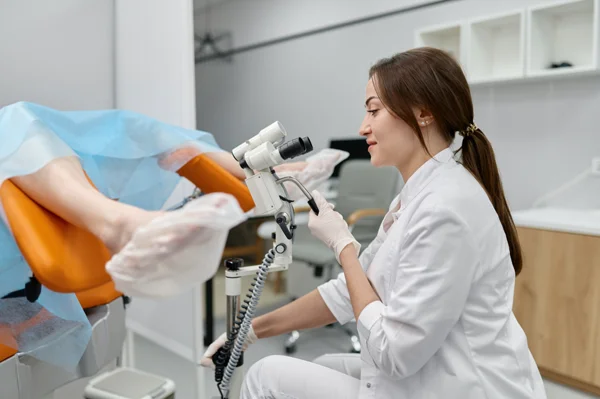
Colposcopy is a procedure in which a gynecologist examines the cervix, vagina, and vulva using a colposcope—a magnifying instrument with a light source.
During the procedure:
A solution is applied to the cervix to highlight abnormal areas
The colposcope magnifies the tissues for detailed inspection
If necessary, a biopsy is taken for further examination
Colposcopy is usually recommended after an abnormal Pap smear, unusual bleeding, or signs of cervical infection. Women seeking colposcopy in Ghaziabad can get accurate diagnosis and timely management of cervical abnormalities.
Colposcopy may be advised for women of different ages depending on cervical health and screening results.
Women above 21 years: Routine Pap smear and follow-up if abnormalities are detected
Women 25–65 years: If abnormal Pap smear or HPV infection is detected
Postmenopausal women: If unusual bleeding or cervical changes are observed
Early detection through colposcopy in Ghaziabad helps prevent the progression of precancerous lesions to cervical cancer.
Colposcopy is recommended to evaluate abnormal findings and ensure early treatment.
Abnormal Pap smear results
Persistent HPV infection
Unexplained vaginal bleeding
Suspicious lesions or warts on the cervix
Follow-up after treatment of cervical dysplasia
With advanced colposcopy in Ghaziabad, gynecologists can examine cervical tissue closely and recommend the most effective treatment.
Certain symptoms may indicate the need for a colposcopy:
Unusual vaginal bleeding between periods
Post-coital bleeding (bleeding after intercourse)
Abnormal vaginal discharge
Pain or discomfort during intercourse
History of abnormal Pap smear or HPV positivity
Timely consultation for colposcopy in Ghaziabad ensures early detection and prevention of cervical cancer.
You should consult a gynecologist if you experience:
Abnormal Pap smear results
Persistent HPV infection
Unexplained vaginal bleeding
History of precancerous lesions
Any abnormal growths or lesions on the cervix
Early consultation allows for timely diagnosis and safe management through colposcopy in Ghaziabad.
Colposcopy is a quick, outpatient procedure that usually takes 10–20 minutes.
Preparation: The patient lies on the examination table like a routine pelvic exam.
Application of Solution: A mild acetic acid solution is applied to highlight abnormal cervical areas.
Examination: The colposcope magnifies the cervix for detailed evaluation.
Biopsy (if needed): Small tissue samples may be taken for laboratory testing.
Post-Procedure Care: Most patients can resume normal activities immediately.
Modern colposcopy in Ghaziabad is safe, minimally invasive, and highly effective for early detection of cervical abnormalities.
Based on the findings, treatment may include:
Observation: Minor changes may resolve naturally, requiring regular monitoring
Cryotherapy: Freezing abnormal cells
LEEP (Loop Electrosurgical Excision Procedure): Removal of abnormal tissue
Cone biopsy: For larger or deeper lesions
Follow-up care: Regular Pap smears or HPV tests to monitor cervical health
Early intervention ensures that potential cervical problems are treated before they progress to cancer.
Patients choose Dr. Priyanka Jain for colposcopy in Ghaziabad because of her expertise and patient-centered approach.
Reasons include:
Over 8 years of experience in gynecology and cervical health
Expertise in HPV management, colposcopy, and cervical biopsy procedures
Personalized consultation and treatment plan for each patient
Use of modern colposcopes and advanced diagnostic techniques
Compassionate, private, and supportive care
Practice at Jaypee Hospital
Dr. Jain ensures accurate diagnosis, early intervention, and effective treatment for all patients.
Colposcopy is usually painless. Some patients may feel mild discomfort during the procedure or biopsy.
The procedure typically takes 10–20 minutes, and patients can resume normal activities immediately.
Most colposcopies do not require anesthesia. Local anesthesia may be used if a biopsy is performed.
Yes, colposcopy helps detect precancerous changes early, allowing timely treatment to prevent cervical cancer.
Colposcopy is recommended if you have an abnormal Pap smear, persistent HPV infection, or suspicious cervical lesions. Follow-up frequency is based on your doctor’s advice.