


| Category | Laparoscopic Surgeries |
Advancements in medical technology have made many surgical procedures safer, more precise, and less invasive than ever before. One of the most effective modern surgical techniques is laparoscopic surgery, also known as minimally invasive surgery. This technique allows doctors to diagnose and treat several gynecological conditions using very small incisions instead of large surgical cuts.
Laparoscopic surgery offers numerous benefits such as reduced pain, minimal scarring, shorter hospital stays, and faster recovery compared to traditional open surgery. It has become a preferred method for treating many women’s health conditions, including ovarian cysts, fibroids, endometriosis, and infertility-related issues.
Dr. Priyanka Jain provides advanced and safe laparoscopic surgery in Ghaziabad, helping patients receive effective treatment with minimal discomfort and quicker healing. With modern equipment and specialized surgical expertise, Dr. Jain ensures that every patient receives personalized and high-quality care.
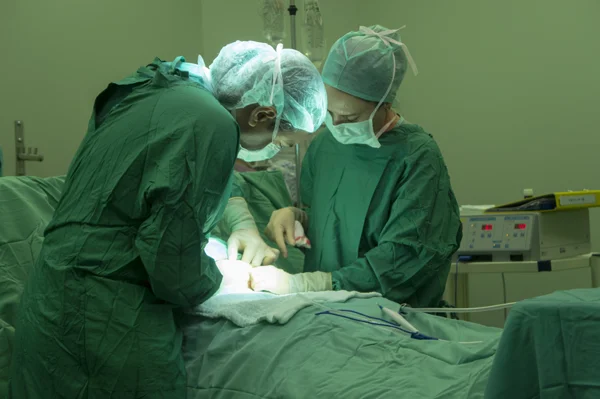
Laparoscopic surgery is a minimally invasive surgical procedure in which a surgeon performs operations through small incisions using a special instrument called a laparoscope. The laparoscope is a thin tube with a high-resolution camera and light that allows the surgeon to see inside the abdomen and pelvic organs on a monitor.
During the procedure, small surgical instruments are inserted through tiny incisions to treat or remove the affected tissue. Because the incisions are very small, patients usually experience less pain and recover much faster than with traditional surgery.
Today, laparoscopic procedures are widely used in gynecology for diagnosis and treatment and are considered a safe option for laparoscopic gynecological surgery in Ghaziabad.
Laparoscopic surgeries can be recommended for women of different age groups depending on the condition being treated.
• Women in their 20s and 30s may require laparoscopic surgery for ovarian cysts, endometriosis, or infertility diagnosis.
• Women in their 30s and 40s may undergo laparoscopic procedures for fibroids, pelvic pain, or reproductive health issues.
• Women in perimenopause or menopause may need laparoscopic treatment for certain uterine or ovarian conditions.
The need for surgery depends on the patient’s symptoms, diagnosis, and overall health.
Laparoscopic surgery is used to diagnose and treat several gynecological conditions affecting women’s reproductive organs.
• Ovarian cyst removal
• Uterine fibroids treatment
• Endometriosis management
• Ectopic pregnancy treatment
• Blocked fallopian tubes
• Chronic pelvic pain
• Infertility evaluation
• Pelvic adhesions
A specialist offering laparoscopic surgery in Ghaziabad can accurately diagnose these conditions and treat them effectively using minimally invasive techniques.
Some symptoms may indicate underlying gynecological conditions that require surgical evaluation.
Common symptoms include:
• Persistent pelvic or abdominal pain
• Heavy or irregular menstrual bleeding
• Difficulty conceiving
• Pain during intercourse
• Large ovarian cysts detected during ultrasound
• Recurrent pelvic infections
• Unexplained infertility
If you experience these symptoms, consulting a specialist for laparoscopic gynecological treatment in Ghaziabad can help determine the cause and provide effective treatment.
You should consult a gynecologist if you have:
• Chronic pelvic pain that does not improve with medication
• Fibroids or ovarian cysts diagnosed through ultrasound
• Difficulty getting pregnant
• Heavy or irregular menstrual bleeding
• Suspected endometriosis
• Abnormal findings in imaging tests
Early diagnosis and timely laparoscopic surgery in Ghaziabad can prevent complications and improve overall reproductive health.
Laparoscopic surgery is usually performed under general anesthesia and involves the following steps:
The surgeon makes a few small incisions in the abdomen, usually less than one centimeter.
A laparoscope with a camera is inserted through one incision to provide a clear view of the internal organs.
Special surgical instruments are inserted through other small incisions to perform the necessary procedure.
The affected tissue or condition is treated or removed with precision.
After the procedure is completed, the instruments are removed and the small incisions are closed with sutures.
This advanced technique makes laparoscopic surgery in Ghaziabad safer, more precise, and more comfortable for patients.
Laparoscopic surgery offers several advantages over traditional open surgery.
• Smaller incisions and minimal scarring
• Less postoperative pain
• Faster recovery time
• Reduced risk of infection
• Shorter hospital stay
• Quicker return to daily activities
Because of these benefits, laparoscopic procedures are widely recommended for many gynecological conditions.
Recovery after laparoscopic surgery is usually faster than traditional surgery.
Most patients:
• Can return home within 24 hours
• Resume light activities within a few days
• Return to normal routine within 1–2 weeks
However, recovery time may vary depending on the procedure and the patient’s overall health. Following post-operative instructions provided by the doctor ensures smooth healing.
Patients choose Dr. Priyanka Jain for laparoscopic surgery in Ghaziabad because of her expertise and patient-centered approach.
Reasons to choose Dr. Jain include:
• More than 8 years of experience in gynecology and women’s health
• Advanced training in minimal access and laparoscopic surgery
• Personalized treatment plans for each patient
• Modern surgical techniques and equipment
• Focus on safe procedures and faster recovery
• Clinical practice at Jaypee Hospital
Her goal is to provide effective surgical treatment while ensuring comfort, safety, and faster recovery for every patient.
Yes, laparoscopic surgery is considered very safe when performed by an experienced surgeon and has fewer complications compared to traditional open surgery.
Most procedures take between 30 minutes and 2 hours, depending on the type of surgery.
Patients usually experience less pain because the incisions are very small compared to traditional surgery.
Most patients recover within 1–2 weeks, although recovery may vary depending on the procedure.
The scars are usually very small and barely noticeable because the incisions are tiny.